

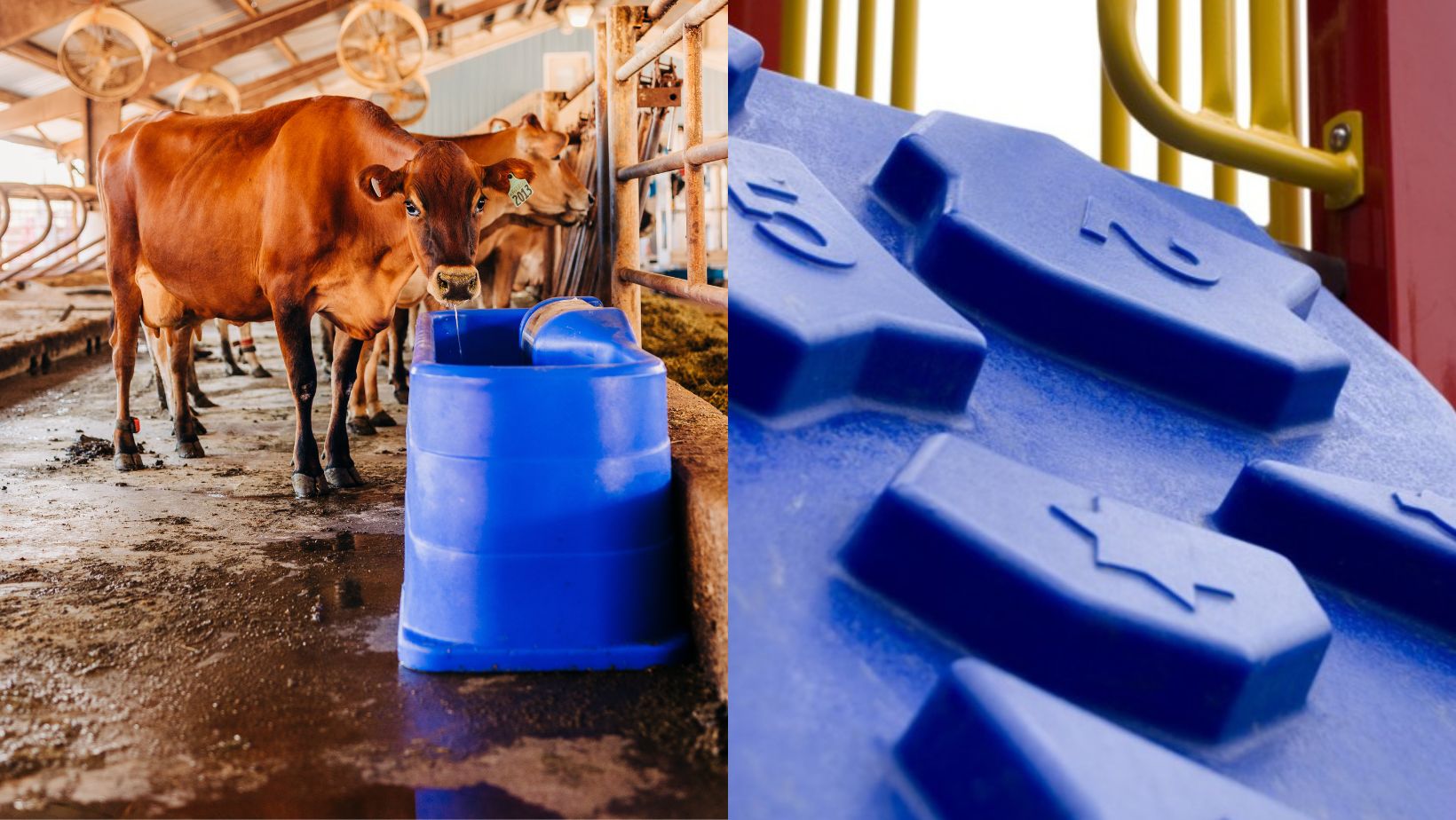
 Plastic is part of everyday life in more ways than most people realize. It is in the computer you work on, the vehicle you drive, the toys children play with, the playground equipment they climb on, and the containers, tanks, and industrial components businesses rely on every day.
The advantages of plastic in modern product manufacturing go far beyond convenience. Today’s plastic materials can be engineered for strength, durability, chemical resistance, weather resistance, and long-term performance. For many products, plastic is not simply an alternative to metal. It can be the smarter, more practical choice.
As plastic technology has advanced, manufacturers have gained more opportunities to create products that are lighter, stronger, more cost-effective, and better suited to demanding environments. Processes like rotational molding have also expanded what is possible in plastic manufacturing, allowing businesses to create custom plastic parts in a wide range of sizes, shapes, and applications.
How Modern Plastic Manufacturing Has Evolved
Plastic was once viewed as a basic material used mainly for simple, inexpensive products. That view has changed significantly. Modern plastic materials can now be selected and engineered based on how a product needs to perform, where it will be used, and what kind of stress or exposure it may face over time.
This evolution has made plastic a valuable material across many industries. From outdoor equipment and agricultural products to storage tanks, playground components, and industrial parts, plastic components can be designed to meet specific project requirements.
Manufacturing methods have evolved as well. Rotational molding, for example, allows manufacturers to produce durable, one-piece plastic products with strong performance characteristics and design flexibility. Instead of forcing a product to fit the limits of traditional materials, businesses can explore plastic product design options that are better aligned with how the final part will actually be used.
Key Advantages of Plastic in Product Manufacturing
Plastic Does Not Rust
One of the clearest benefits of plastic over metal in manufacturing is that plastic does not rust. Metal can corrode or weaken over time when exposed to moisture, outdoor weather, chemicals, or humid environments. Even stainless steel can be vulnerable in welded areas or when used in harsh conditions.
Plastic eliminates that concern. For products that may be used outside, around water, or in environments where corrosion is a risk, this can make a major difference. Tanks, containers, outdoor components, playground parts, and agricultural products can all benefit from materials that will not rust over time.
Rust resistance can also reduce maintenance and replacement costs. Instead of dealing with corrosion, refinishing, or weakened material, businesses can choose plastic components designed for long-term use.
Plastic Can Be Designed for Chemical, Fire, Static, and Weather Resistance
Another advantage of plastic is its ability to be engineered for specific environments. Different plastic materials and formulations can be designed to resist chemicals, weather exposure, static buildup, fire risks, and UV damage.
This makes plastic a strong option for products that need more than basic durability. A tank that stores chemicals, an outdoor component exposed to sun and rain, or an industrial part used in a demanding setting may all require different performance features.
Plastic manufacturing gives businesses the ability to match the material to the application. That flexibility is one reason plastic is used in so many specialized products. It can be practical for simple components, but it can also support more product requirements when the right material and process are selected.
Plastic Is Lightweight Without Sacrificing Strength
Plastic is generally much lighter than metal, which can create benefits throughout the entire life of a product. Lighter parts are often easier to handle, ship, move, and install. In vehicles or equipment, reduced weight can also help lower fuel use and improve overall efficiency.
That does not mean plastic has to be weak. Plastic parts can be designed with the right wall thickness, structure, and reinforcement to support strength and durability. Inserts can also be used in high-stress areas when a product needs added support.
For many applications, plastic offers a helpful balance. It can reduce unnecessary weight while still delivering the performance needed for regular use.
Plastic Can Help Reduce Manufacturing and Assembly Costs
Cost is another reason many companies consider plastic for custom product manufacturing. Plastic is often less expensive than metal to purchase, but the savings can also come from the way the product is made.
Rotational molding can create one-piece plastic parts, which may reduce the need for multiple components, extra fasteners, welding, or lengthy assembly steps. Fewer pieces can mean fewer seams, fewer weak points, and less time spent putting the product together.
This can help lower labour costs and simplify production. It can also improve consistency, especially when a product needs to be manufactured repeatedly.
For companies looking at the full picture, plastic can offer value in several ways: material cost, production efficiency, assembly time, transportation, and long-term maintenance.
Plastic Components Are Impact Resistant
Plastic components are often highly resistant to dents, impacts, and rough handling. This makes them useful for products that need to stand up to frequent use, outdoor conditions, or demanding environments.
Metal can dent, bend, rust, or require refinishing when damaged. Plastic, depending on the material and design, can absorb impact without the same type of visible or structural damage.
This is especially valuable for products such as playground equipment, industrial parts, agricultural components, outdoor products, containers, and tanks. These products are often handled, moved, climbed on, exposed to weather, or used in busy environments.
With thoughtful plastic product design, components can be made durable enough for tough everyday use while still remaining lighter and easier to manage than many metal alternatives.
Rotational Molding Expands What Plastic Can Do
Rotational molding is one of the processes that makes plastic especially versatile. It is commonly used to create hollow, durable, one-piece plastic parts with consistent wall thickness and strong design flexibility.
This process can be used for small parts, large parts, simple shapes, intricate designs, tanks, containers, playground components, and custom plastic parts. Because the material is distributed throughout the mold, rotational molding can support products that need strength, durability, and a seamless design.
For businesses, this opens the door to more practical product solutions. Instead of relying on multiple assembled pieces, rotational molding can often create a cleaner, stronger, and more efficient finished product.
It also allows for customization. Product size, shape, function, colour, texture, inserts, and performance requirements can all be considered during the design and manufacturing process.
Custom Plastic Parts Can Be Designed Around Specific Project Needs
One of the biggest advantages of plastic is that it can be adapted to the product, rather than forcing the product to work around the limitations of the material.
At SPI Plastics, custom molding starts with understanding what the product needs to do. That includes looking at the product’s function, size requirements, environmental exposure, strength needs, safety considerations, design details, and production goals.
A part used outdoors will have different needs than a part used inside equipment. A tank will have different requirements than a playground component. A product exposed to chemicals will need different material considerations than one designed for general use.
This is where experience matters. Molding plastic is only one part of the process. The right manufacturing partner can help guide material selection, design choices, production planning, and performance considerations so the final product reflects the needs of the project.
Why Work With SPI Plastics for Custom Plastic Manufacturing
SPI Plastics offers more than plastic molding. As a full-service company, SPI works with clients to help bring custom plastic products and components from concept to completion.
Through custom rotational molding, SPI can produce small to large parts, simple components, intricate designs, and durable products built around specific use cases. This makes us a strong partner for businesses looking to improve an existing product, develop a new plastic component, or explore the benefits of plastic over metal in manufacturing.
SPI’s team works closely with clients to understand each project’s requirements and recommend solutions that support performance, durability, and long-term value. From material considerations to final product design, the goal is to create plastic components that work as intended in real-world conditions.
Conclusion
Plastic has become a major material in modern product manufacturing because it offers practical, measurable benefits. It does not rust, can be designed for demanding environments, reduces weight, supports cost-effective production, resists impact, and offers strong design flexibility.
For many products, plastic is not just a substitute for metal. It can be the better choice.
If you are exploring custom plastic parts, rotational molding, or a new product design, SPI Plastics can help you determine the right approach for your project.
Contact SPI Plastics to learn how custom rotational molding can help bring your next plastic product or component to life
FAQs
What are the main advantages of plastic in manufacturing?
Plastic is lightweight, durable, rust-resistant, cost-effective, and highly adaptable. It can also be engineered for chemical resistance, weather resistance, fire resistance, static resistance, UV protection, and impact resistance.
Why is plastic often used instead of metal?
Plastic is often used instead of metal because it does not rust, is lighter to handle, can reduce production and assembly costs, and can be molded into complex shapes. It can also perform well in outdoor, wet, or chemically exposed environments.
Is plastic strong enough for industrial products?
Yes. Many plastic materials are designed for strength, impact resistance, and long-term use. Plastic parts can also be reinforced with inserts or designed with thicker walls in high-stress areas.
How does rotational molding improve plastic product design?
Rotational molding allows manufacturers to create durable, one-piece plastic parts with consistent wall thickness. It is especially useful for hollow parts, large components, intricate shapes, tanks, containers, and custom products.
Can plastic be used for outdoor products?
Yes. Plastic can be designed with weather-resistant and UV-stabilized properties, making it suitable for outdoor products such as playground components, agricultural parts, containers, tanks, and equipment components.
What types of products can SPI Plastics manufacture?
SPI Plastics can produce small to large custom molded plastic parts, including simple components, intricate designs, durable outdoor products, tanks, containers, playground components, and other custom products made through rotational molding.